The Correct Way to Pet a Dog: Building Trust Safely
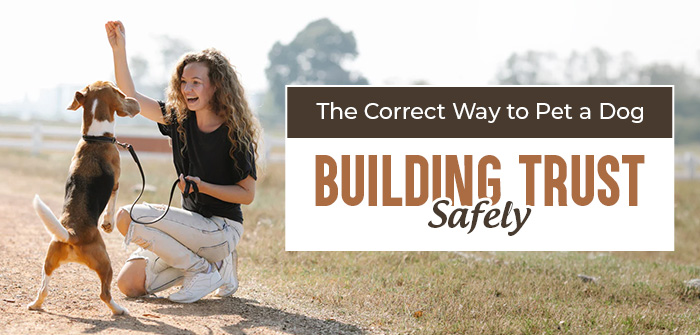
Seeing a cute dog can make you want to walk over and pet them straight away. However, not every dog is comfortable with attention from strangers, which is why it’s important to understand the correct way to approach and pet a dog. Dogs communicate through body language, and each one has different comfort levels and boundaries.
Understanding how to approach and pet a dog properly helps make the interaction safe and positive for both you and the dog. In this blog, we’ll discuss the right way to pet a dog and the body language signs to watch for before approaching.
Let’s start with addressing the common queries about petting dogs.
Do Dogs Like to be Petted?
Generally, yes! Dogs do like to be petted, as it releases feel-good hormones like oxytocin, helps relieve stress, and strengthens your bond with them. However, different dogs have individual preferences and reactions towards how and where you pet them. Some may enthusiastically welcome the touch and affection, while others may not want to interact with strangers at all. So how do you understand whether a dog is open to your attention and affection? Dogs convey that through their body language, and all you need to do is pay attention.
How to Tell if a Dog Is Comfortable with Interaction?
Dogs that are open to interaction usually display calm and relaxed body language. Common signs include a loose wagging tail, soft eyes, relaxed facial expressions, and loose lips. Some dogs may even move closer to you or maintain soft eye contact if they feel comfortable.
Signs a Dog May Need Space
Dogs often show signs when they are uncomfortable or do not want interaction. These signs may include licking their lips, looking away, tucking their tail, or pulling their ears back. Other signals can include showing the whites of their eyes (whale eyes), a stiff body, leaning away, crouching, furrowed brows, or blinking a lot.
Dogs often give subtle warning signs. Ignoring them can increase stress and may lead to growling or snapping. If you notice any of these signs, do not attempt to pet them and give them some space.
Where Do Dogs Like Being Petted?
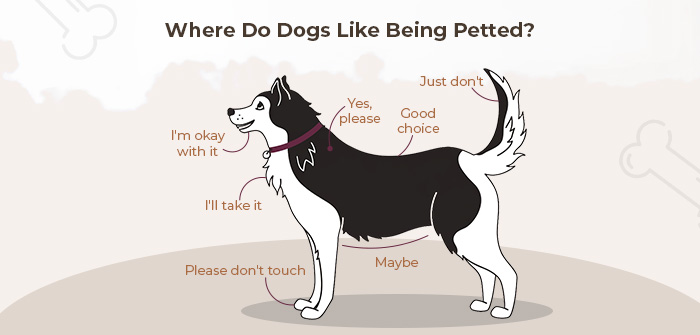
Well, there are places that are generally considered “good spots” for petting, and they may be different for different dogs. Some of these spots include under the chin, on the chest, along the side of the neck, and on the shoulders. It’s recommended to move slowly when petting along the top of their back, as some dogs may not like it.
Also, avoid the sensitive areas like the top of the head, paws, ears, lips, tail, or stomach. Dogs can be receptive to these areas once you are on good terms with them. In some cases, the dog may roll over and reveal their belly when approached. Now, this is not always an invitation for a belly rub, as dogs also do this to convey that they are intimidated. Therefore, with unfamiliar dogs, it’s always best to go slow and read their body language to initiate a pleasant interaction.
How to Pet a Dog Properly?
Petting a dog isn’t just about reaching out and giving them a pat. The key is to make the interaction comfortable and enjoyable for the dog while respecting their boundaries. Follow these simple steps to ensure a positive experience for both of you:
Ask for permission: Before you approach the dog, take permission from the pet parents. Also ask if their pet is comfortable when petted by strangers. Now, even if the parent agrees, give it a few seconds before you come directly in front of the dog.
Initiate interaction: Never approach a dog while staring at them directly, as it can feel threatening or aggressive to them. It’s better to stand sideways to the dog and crouch or kneel while maintaining some distance. Make brief eye contact, then look away and observe their reaction through the corner of your eye.
Make a gentle approach: Observe their body language and don’t make any sudden moves that may startle the dog. Also, don’t loom over them or put your face next to them. If they appear relaxed, gently extend your hand without moving towards them.
Let the dog approach you: With your hand extended, speak in a polite, quiet voice. If the dog feels comfortable, they’ll move forward to sniff your hand. If the dog sniffs your hand and walks away, do not force interaction. However, if the reaction is positive, slowly move forward and pet under their chin.
See how they respond: Gently pet them for 3-5 seconds and withdraw your hand. If the dog moves closer and leans into you, continue petting them. Don’t put your hand directly on their head, as most dogs don’t like that. Continue observing their body language, and if they appear uncomfortable and lean away at any point, respect their decision and stop.
Parting Words
Dogs are wonderful companions, and every dog deserves to have their boundaries respected. Therefore, it’s important to create a positive environment for interaction by observing their body language and allowing the dog to choose the interaction before heading to pet them right away. So, the next time you meet a new furry friend, remember to slow down, be patient, and let the dog set the pace. A little respect goes a long way in earning a dog’s affection. Good luck!
