Flea and Tick Treatment Toxicity in Dogs: Symptoms, Causes, and Treatment
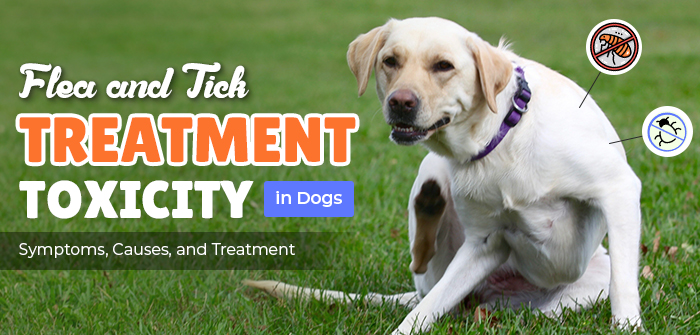
Flea and tick treatments help protect dogs from parasites and the diseases they can carry. When used correctly, these products are generally safe and effective. However, incorrect dosing, accidental ingestion, or using the wrong product may lead to adverse reactions. Recognising the early signs of flea and tick treatment toxicity and knowing how to respond can make a significant difference to your dog’s recovery.
In this blog, we’ll cover the symptoms and the common causes of preventive treatment toxicity. We’ll also discuss what you can do in an emergency and the treatment options available. Having this information will help you take prompt action and give your canine companion the help they need.
Symptoms of Flea and Tick Treatment Toxicity in Dogs
The signs of flea and tick treatment toxicity can appear within a few minutes or take several hours to develop. Symptoms vary depending on the product used, the amount of exposure, and your dog’s overall health.
Common signs include:
- Excessive drooling
- Vomiting or diarrhoea
- Tremors or muscle twitching
- Shaking or uncontrollable movements
- Weakness
- Restlessness
- Unusual agitation
- Vocalisation, crying, whimpering
- Loss of coordination
- Difficulty breathing
- Seizures
- Collapse
Some dogs may also show redness, itching, or skin irritation if the product causes a local reaction. Even mild symptoms should not be ignored, as they can worsen quickly.
Common Causes of Adverse Reactions
Understanding the common causes of flea and tick treatment toxicity in dogs can help you take quick action:
Giving the wrong dose
Giving your dog more than the recommended dose can expose them to too much of the active ingredient and may cause poisoning. This can happen when the treatment is not chosen based on your dog’s current weight.
Using the wrong product
Flea and tick treatments are not made alike for all animals. Treatments that are labelled for dogs shouldn’t be used for cats or any other species, and vice versa. Using the wrong product can cause serious poisoning.
Some dog breeds may also be more sensitive to certain ingredients because of their genetics. Always check the label carefully and make sure the product is suitable for your dog before using it.
Using an expired product
Flea and tick treatments can become less effective after their expiry date. Over time, the ingredients may lose their strength or become less stable.
Using expired products can potentially lead to adverse reactions, so it’s best to use a treatment that is still within its expiry date.
Accidental ingestion
Dogs are naturally curious, so they may chew on flea and tick treatment tubes, collars, or packaging if these items are left within reach. If directions are not followed properly while administering topical treatments, there’s a risk of the pet licking the treatment.
Swallowing flea and tick treatments, especially concentrated spot-on products, can be dangerous and may lead to poisoning.
Other factors that can increase the risk
Some dogs may be more sensitive to flea and tick treatments than others. Dogs with a history of seizures, neurological problems, heartworm disease, or other health conditions may have a higher risk of side effects when using products with certain ingredients.
Before starting any flea or tick treatment, talk to your veterinarian about your dog’s health history. They can help you choose a product and dose that are safe and appropriate for your dog.
What to Do in an Emergency
If you suspect your dog has adversely reacted to a flea and tick treatment, act quickly. Early veterinary attention gives your dog the best chance of a fast recovery. Here’s what you can do:
- Quick! Call the nearest veterinary clinic immediately.
- Limit your dog’s activity and keep them comfortable.
- Gather all the essentials and be prepared to take your pet to the vet.
Never try to induce vomiting or give home remedies unless your veterinarian specifically instructs you to do so.
Treatment Options for Flea & Tick Treatment Toxicity
Every case of flea and tick treatment toxicity is different, so the treatment will depend on the product involved, how much your dog was exposed to, how serious the reaction is, and what symptoms they are showing.
Your veterinarian may start by removing the topical treatment residue from your dog’s skin by bathing your dog. If your dog has swallowed the treatment, the next steps will depend on how much they ingested and how recently it happened.
Treatment mainly focuses on addressing the symptoms and supporting their recovery. This may include:
- IV fluids to prevent dehydration
- Treatments to control tremors or seizures
- Drugs to help with nausea and vomiting
- Oxygen support if your dog’s breathing is affected
- Close monitoring of heart rate, body temperature, and nervous system function
Dogs with mild reactions often start to feel better within a day or two with proper care. However, more serious cases may require hospitalisation and close monitoring until the symptoms improve.
Parting Words
Flea and tick treatment toxicity can develop quickly, but getting veterinary help early can greatly improve your dog’s chances of a full recovery.
Always use flea and tick products exactly as directed on the product label. Make sure you choose a product that is appropriate for your dog’s species and weight, and keep all treatments safely out of reach to prevent accidental ingestion.
If your dog shows unusual signs after receiving a flea or tick treatment, contact your veterinarian right away. Knowing what to look for and acting quickly can help keep your dog safe while still giving them the protection they need from fleas and ticks.
