Treating Yeast Infections in Dogs: Causes, Symptoms, and Treatment
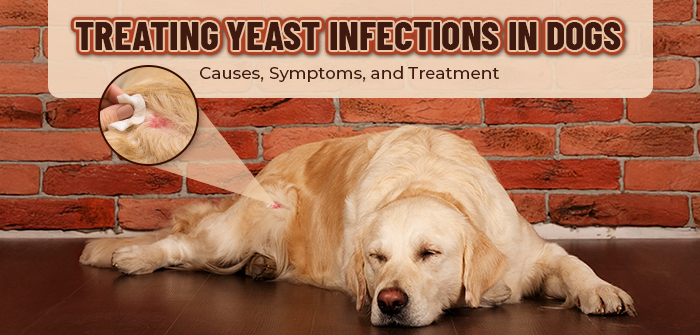
Yeast infections in dogs are more common than pet parents realise. While they may start as a minor irritation, if not addressed timely, they can quickly escalate into a painful and persistent condition. While not typically contagious to other dogs, pets, or humans, yeast infections are discomforting and require prompt veterinary attention.
In this informative guide, we’ll explore the fundamentals of yeast infections in dogs, including the causes, symptoms, diagnosis, and treatment. We’ll also cover some valuable preventive measures to help keep your beloved canine companion healthy and comfortable.
Let’s get started!
Understanding Yeast Infection in Dogs
Yeast infection is a condition when these fungal organisms on your dog’s skin overgrow to cause an infection. These organisms exist normally without causing any problems, but an infection can be triggered due to a weakened immune system, allergy, or excessive moisture.
It is commonly observed in warm and moist areas such as ears, skin, paws, armpits, groin, and vulva. If left untreated, it can worsen, leading to great discomfort with intense itching, redness, a musty odour, and thick, greasy skin.
The condition is more common in certain breeds due to their genetic disposition or their physical characteristics, such as long ears or skin folds.
These breeds include:
- Chihuahua
- Lhasa Apso
- Maltese
- German Shepherd
- Australian Terrier
- Basset Hound
- Boxer
- American Cocker Spaniel
- Cavalier King Charles Spaniel
- Poodle
- Silky Terrier
- Shih Tzu
- West Highland White Terrier
Causes of Yeast Infection in Dogs
Yeast infection in dogs is opportunistic in nature. By that we mean that your dog’s skin typically has small amounts of yeast (Malassezia pachydermatis) and under normal circumstances, they don’t cause any troubles. However, the infection manifests when there’s an underlying or pre-existing cause which triggers the overgrowth, leading to a yeast infection.
Some of these causes are:
- Poor hygiene
- Heat and humidity
- An underactive or overactive immune system
- Trapped moisture in skin folds, ears, or paw pads
- Prolonged use of antibiotics that impacts the normal skin flora
- External parasites like mites that can cause itching and skin inflammation
- Environmental allergens such as mould, smoke, dust, cleaning products, etc.
- Hormonal disorders like Cushing’s disease, hypothyroidism, or diabetes mellitus
Common Symptoms of Yeast Infection in Dogs
Here are the telltale signs that your dog is suffering from a yeast infection:
- Red or deep pink, irritated skin
- Head shaking and scratching the ears
- Itching, licking, or rubbing the skin
- Scaling, flaky, or crusted skin on the ear flap
- Hair loss, bald patches
- Greasy skin
- Brown, yellow, or bloody discharge
- Musty odour, often described as stale corn chips
- Change in skin texture or thickening of skin (elephant skin)
Diagnosis and Treatment of Dog Yeast Infection
The diagnosis of yeast infection begins with an enquiry about your dog’s medical history, including the onset of symptoms, ongoing medications, and any previously diagnosed conditions. To understand the underlying cause, the vet will recommend skin and ear cytology or take a skin sample to look for mites or identify yeast.
They may further perform blood work to check blood chemistry, allergies, and other abnormalities. Since the cause and severity of these infections may be different for each dog, the vet will recommend a treatment plan tailored to your pet’s condition.
Now, the treatment plan mainly focuses on two aspects: eliminating the yeast infection and addressing the underlying cause to prevent recurrence. For the infection, the vet may recommend topical treatments like medicated shampoos, antifungal creams, ear cleaners, etc., while some cases may require oral antifungal treatments.
To address the underlying causes, such as allergies, hormonal imbalances, or prolonged antibiotic use, the vet may recommend dietary changes, prebiotics, or supplements. Depending on the severity, it may take a few weeks to a few months for the infection to fully subside.
Measures to Help Prevent Yeast Infection
While yeast infections can’t always be avoided, proactive care can significantly reduce the risk. Here are a few measures that you can practise:
- Maintain good hygiene with regular grooming and bathing.
- Dry your dog thoroughly after swimming or bathing, especially the ears and skin folds.
- Use vet-approved ear cleaners to prevent moisture buildup.
- Provide a balanced diet to support a healthy immune system.
- Clean your dog’s ears regularly with a clean cloth or cotton.
- Keep your dog’s living environment clean and free from allergens.
- Schedule regular vet check-ups to catch early signs of infection.
- Manage underlying health conditions promptly to prevent secondary infections.
Parting Words
Yeast infections in dogs can be frustrating for both pets and their hoomans, but with the right knowledge, timely diagnosis, and preventive care, they can be managed effectively. We hope the information shared in this blog has filled the gaps in your knowledge about yeast infections. Be mindful of the symptoms and practise the preventive measures to keep your doggo free from the discomfort of yeast infections.
